
This article may contain commentary
which reflects the author’s opinion.
Democratic legislators in multiple states are pushing a series of proposals aimed at limiting the authority of U.S. Immigration and Customs Enforcement (ICE), citing public safety concerns after an ICE agent fatally shot a Minnesota woman earlier this month.
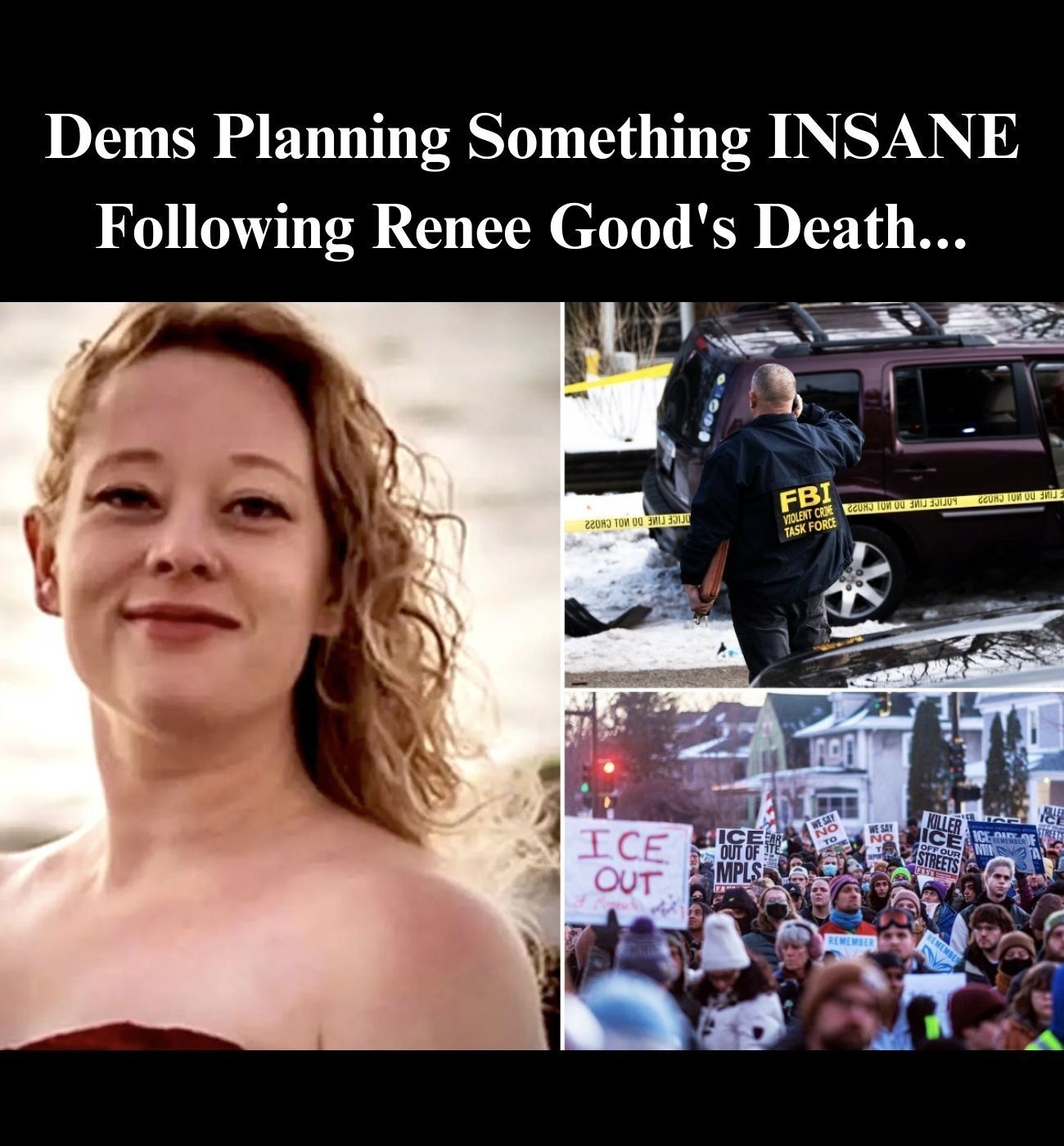
The measures, some long in development but gaining momentum in recent days, have been introduced in state legislatures from New York to California, Oregon and New Jersey. Sponsors say they seek to rein in what they describe as unchecked federal immigration enforcement tactics following the death of Renee Nicole Good in Minneapolis on Jan. 7. Good, a 37-year-old mother of three, was killed by an ICE officer during federal immigration operations, a confrontation that has sparked widespread protests and political debate.
In New York, Governor Kathy Hochul has endorsed legislation that would allow residents to sue federal immigration agents in state court for alleged civil rights violations and would impose restrictions on ICE enforcement in sensitive locations such as schools and hospitals unless officers obtain a judicial warrant. Similar proposals in California aim to prohibit local law enforcement from taking secondary employment with federal agencies and to constrain indiscriminate federal arrests around court appearances.
In her State of the State address, Hochul explained that the measure “doesn’t interfere with lawful enforcement or public safety,” but “affirms a core truth: Power does not justify abuse.”
She added, “And if someone’s constitutional rights are violated here in the state of New York, I say they deserve their day in court.”
Oregon lawmakers plan to introduce a bill to enable residents to pursue civil claims against federal agents for alleged Fourth Amendment violations. In New Jersey, the Democratic-led Legislature passed several bills that would bar state police cooperation with federal immigration enforcement; those measures await action by outgoing Democratic Gov. Phil Murphy.
Advertisement
Proponents argue the measures are necessary to protect civil liberties and ensure accountability after Good’s death and other incidents during heightened immigration operations. Critics, including Republicans, contend the bills would undermine federal law enforcement and could interfere with efforts to enforce immigration laws. Some GOP lawmakers have introduced their own legislation responding to immigration enforcement concerns, supported by the White House.
The proposals come amid ongoing tension between federal authorities and local officials in states and cities that have opposed aggressive immigration enforcement. In Minnesota, for example, state and local leaders have filed lawsuits seeking to halt the deployment of thousands of ICE and other federal agents after Good’s shooting, and a federal judge has limited certain ICE tactics against peaceful protesters.
Meanwhile, Border Czar Tom Homan said during a Thursday evening interview that he planned to speak to President Donald Trump on Friday about invoking the Insurrection Act to quell left-wing violence directed at Immigration and Customs Enforcement officers and other federal agents in Minneapolis.
In an interview with Fox News’ Laura Ingraham, Homan said he didn’t want to speculate about what Trump would do, but did say invoking the act is a “viable option.”
“Is it time for the Insurrection Act, or would that just add gasoline to the fire?” Ingraham asked during the segment.
“I’m not going to get ahead of the President on that,” Homan replied, “but it’s certainly an option, a viable option. So actually, I’ll be meeting with the President tomorrow.”
“I think it’s something that needs to be on the table, because this cannot continue,” Homan added. “There is going to be more bloodshed. I’m telling you, I hope I’m wrong. There’s going to be more bloodshed if something isn’t done.”
“And most Minnesotans…support ICE. It’s this radical group of anarchists, and when you see them close up, you really get a sense of who they are,” Ingraham said. “It’s this crowd, a lot of them paid, a lot of them working double shifts of protests, against the rest of the state…They don’t like what’s happening in the Twin Cities.”