
A federal judge ruled Monday that the Trump administration acted unlawfully in canceling billions of dollars in clean-energy grant funding, finding the action violated constitutional equal protection principles by disproportionately targeting projects in states that voted for Democratic candidates in the 2024 election.
The lawsuit was filed by the city of St. Paul, Minn., and a coalition of environmental and energy groups after the Department of Energy and the Office of Management and Budget announced in October that they were rescinding about $7.5 billion in clean energy grants.
The grants went to hundreds of green energy projects, including battery manufacturing, hydrogen technology initiatives, electric grid upgrades, and efforts to reduce carbon emissions.
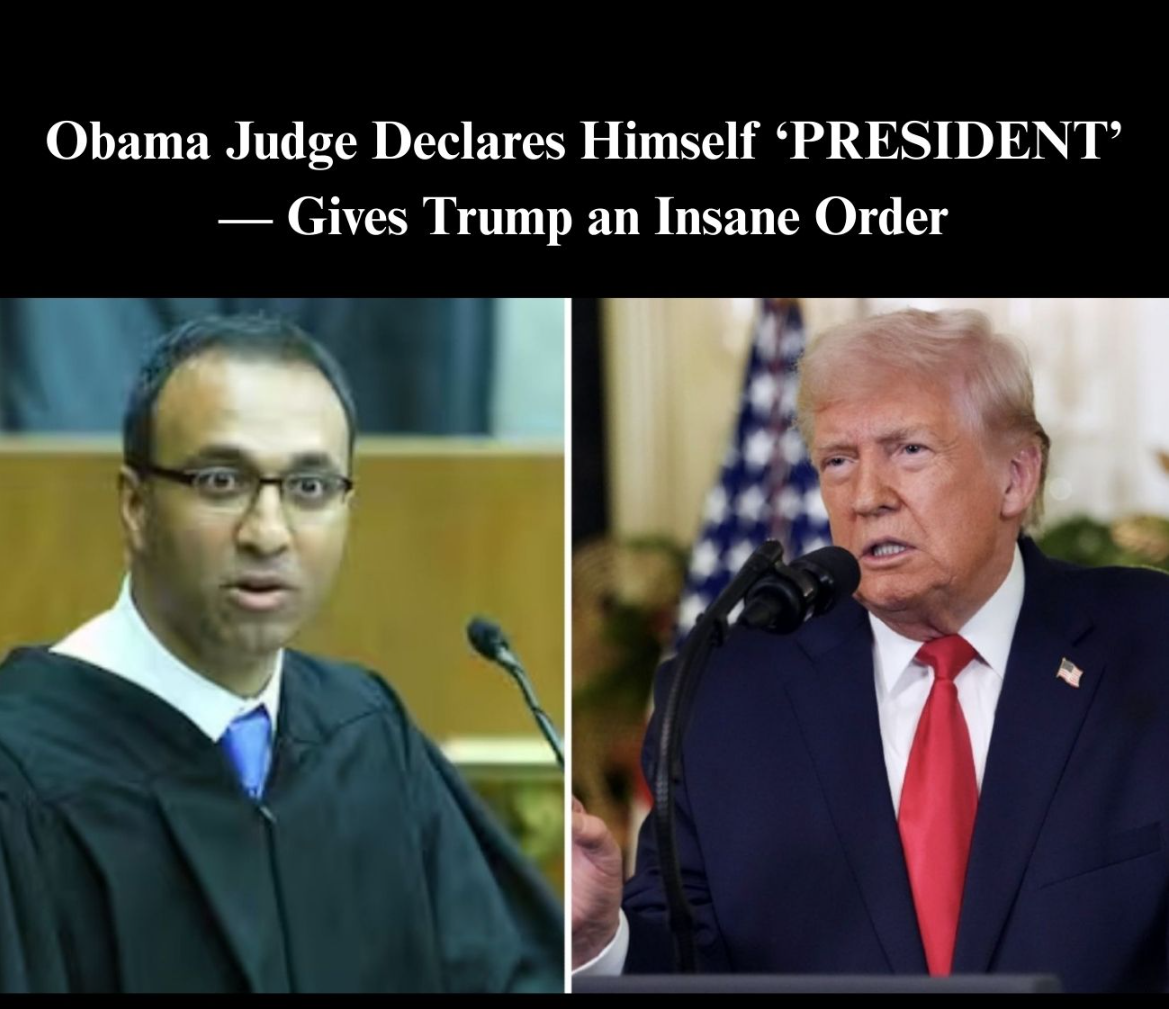
In a written opinion, U.S. District Judge Amit P. Mehta, an Obama appointee, said the government’s decision to withdraw funding “lacked a rational connection” to stated policy goals because nearly all of the terminated awards were to recipients in states where the majority of voters did not support President Trump in 2024, while similar projects in states that did were largely left intact. The judge concluded that treating applicants differently based on their location and the political preferences of their states violated the Fifth Amendment’s guarantee of equal protection.
“Defendants freely admit that they made grant-termination decisions primarily—if not exclusively—based on whether the awardee resided in a state whose citizens voted for President Trump in 2024,” wrote Mehta.
“There is no rational relationship between that classification and Defendants’ stated governmental interest. Defendants’ decisions to terminate Plaintiffs’ grants therefore, violate the Fifth Amendment,” he added.
The court ordered the restoration of seven specific grants totaling tens of millions of dollars that had been canceled, though Mehta rejected other claims that the administration’s actions also violated First Amendment protections.
The Energy Department maintained that the review process was legitimate, saying officials evaluated each project on its merits and determined many did not advance national energy priorities or provide a sufficient return on taxpayer investment. A department spokesman said the agency “stands by our review process” and disagreed with the court’s decision.
The plaintiffs argued that the cancellations were politically motivated and punitive, pointing to public statements and the pattern of terminations as evidence. Advocates said the decision to rescind funding based on where awardees are located amounted to unconstitutional discrimination and harmed communities that rely on affordable, clean energy development.
The ruling represents a legal setback for the administration’s broader efforts to curtail clean energy programs. On the same day, another federal judge allowed work to resume on a major offshore wind project that the administration had paused, highlighting mounting judicial resistance to its energy policy shifts.
Meanwhile, Sen. Lisa Murkowski (R-AK) worked over the summer to preserve select provisions of former President Joe Biden’s landmark climate legislation as Republicans seek spending cuts to fund their reconciliation package, Politico reported at the time.
Murkowski urged her party to adopt a “more cautious and conscientious approach” rather than wielding a “big hammer” to eliminate the green energy tax credits included in Biden’s trillion-dollar Inflation Reduction Act (IRA).
The 2022 law, which passed without a single Republican vote, is now facing deep cuts as GOP lawmakers look for savings to support President Trump’s legislative priorities.
House Republicans were aiming to slash billions in clean energy subsidies enacted during the Biden administration, including tax credits for electric vehicles and environmentally friendly home upgrades such as heat pumps, energy-efficient windows, and doors.
The proposal phased out tax credits for hydrogen production, advanced manufacturing, and nuclear energy, a move that has sparked division among right-of-center energy policy experts. The bill also aimed to eliminate “transferability,” a provision that allows project sponsors to transfer credits to third parties, and included measures to prevent Chinese companies from benefiting from the subsidies.