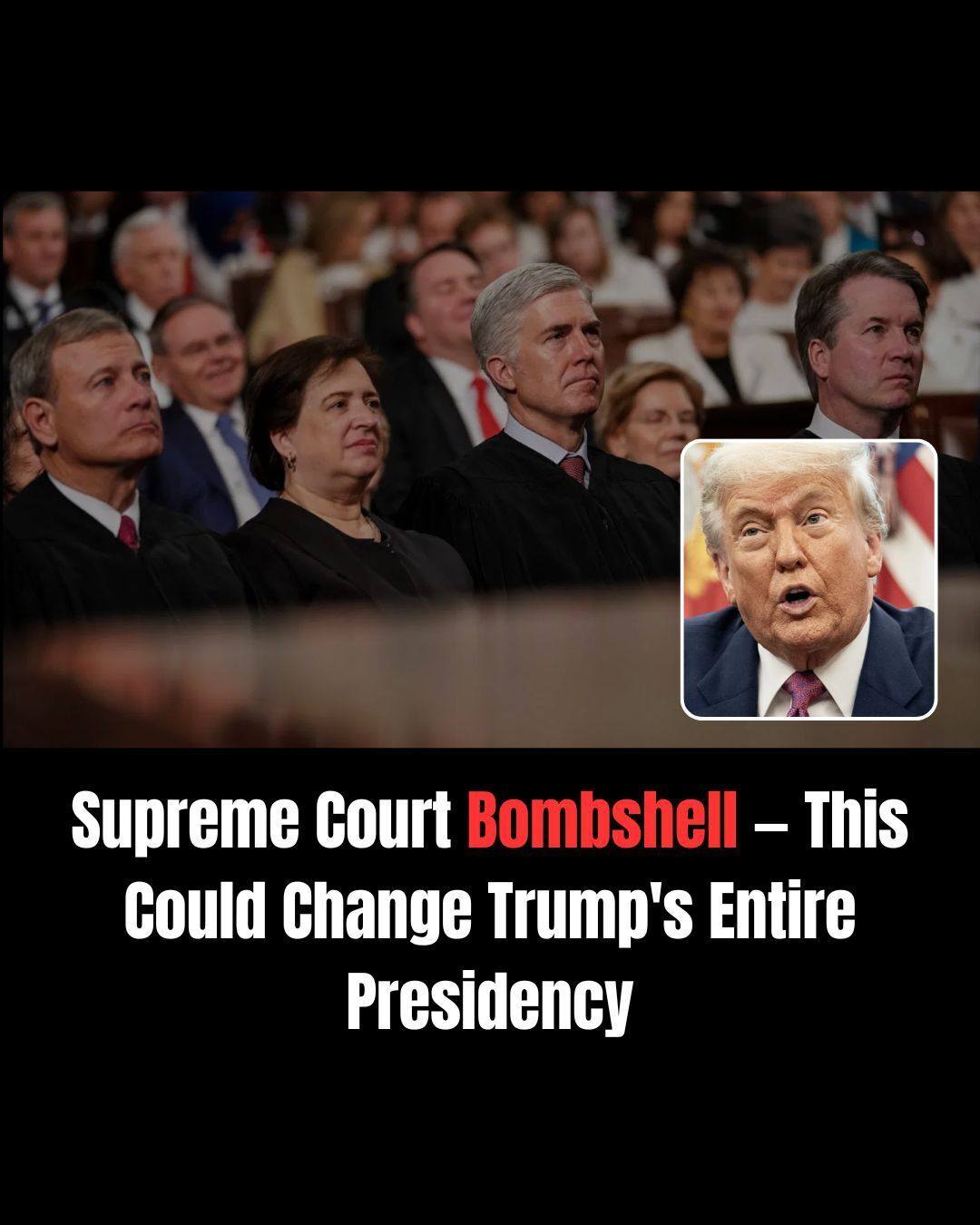

The U.S. Supreme Court ruled against two veterans who argued that their disability claims were unjustly denied, even though the evidence in their cases was equitably balanced.
The court, in a 7-2 ruling, determined that the U.S. Court of Appeals for Veterans Claims is not required to examine the Department of Veterans Affairs’ implementation of the “benefit-of-the-doubt” principle in the majority of instances. The regulation mandates that the VA must endorse a veteran’s claim when the evidence supporting and opposing approval is approximately balanced, as reported by Military.com.
Justice Clarence Thomas, representing the majority, elucidated that the VA Claims Court and the Federal Circuit, which affirmed the lower court’s ruling, were not legally obligated to perform a benefit-of-the-doubt analysis in these instances.
Thomas stated in his ruling on March 5 that the claims court was obligated solely to scrutinize the cases for any errors committed by the claims adjudicators or the Board of Veterans Appeals.
“We assert that the Veterans Court must evaluate the VA’s application of the rule in the same manner as any other determination—by examining legal issues de novo and factual issues for clear error,” Thomas articulated.
In Bufkin v. Collins, two veterans articulated their arguments. Joshua Bufkin, a former Air Force member from 2005 to 2006, submitted a disability claim for post-traumatic stress disorder approximately seven years post-service.
As an airman, he encountered challenges in completing the training necessary to become a military policeman, attributing his struggles to marital stress. Court records reveal that Bufkin asserted his wife threatened self-harm should he persist in military service, prompting him to seek a hardship discharge.
Upon subsequently applying for VA healthcare and benefits, Bufkin asserted that his ailments were attributable to his military service. Disputes among VA physicians concerning his PTSD diagnosis and its association with his service led to the denial of his claim.
Norman Thornton, a former Army soldier who served from 1988 to 1991 and was deployed during the 1990-1991 Persian Gulf War, initially obtained a 10% disability rating for PTSD, which was later increased to 50%. Thornton contested, asserting that his rating warranted an elevation.
In both cases, the Veterans Board of Appeals evaluated the evidence, concluding that Bufkin’s evidence was inconsistent and that Thornton’s did not substantiate a higher disability rating.
The Veterans Court of Appeals subsequently determined that the claims adjudicators and the board had committed no errors, although it did not conduct a benefit-of-the-doubt review. The Federal Circuit Court of Appeals concurred that such a review was superfluous on appeal.
The plaintiffs contended in their petition to the Supreme Court that the law unequivocally stipulates that veterans are entitled to the benefit of the doubt. Thomas asserted that they did not formulate a legal argument, emphasizing that the veterans court can only reverse a decision when a clear error is evident.
“Upon meticulous analysis of the VA’s methodology in executing the approximate balance inquiry [of benefit-of-the-doubt evidence], we determine it constitutes a primarily factual issue and is therefore amenable to clear-error review,” Thomas stated.
Justices Ketanji Brown Jackson and Neil Gorsuch expressed dissent, according to Military.com. In a dissent, Jackson asserted that veterans are entitled to have “any reasonable doubt on a material issue” adjudicated in their favor, as intended by Congress. Brown remarked, “The court today concludes that Congress intended nothing when it incorporated [into law] provisions addressing concerns that the Veterans Court was improperly endorsing the VA’s benefit-of-the-doubt determinations and that the Veterans Court is not required to do anything beyond deferring to those agency decisions. I respectfully dissent.”
In summary, the justices indicated their acceptance of the case to ascertain whether the Veterans Court is obligated to evaluate the VA’s application of the benefit of the doubt, rather than merely reviewing for errors. The majority determined that, in most instances, it is unnecessary.