
This article may contain commentary
which reflects the author’s opinion.
A federal appeals court has granted the Trump administration a reprieve in its effort to defund Planned Parenthood and other major abortion providers, temporarily halting a lower court ruling that would have forced the government to continue sending them taxpayer dollars despite a new federal law prohibiting it.
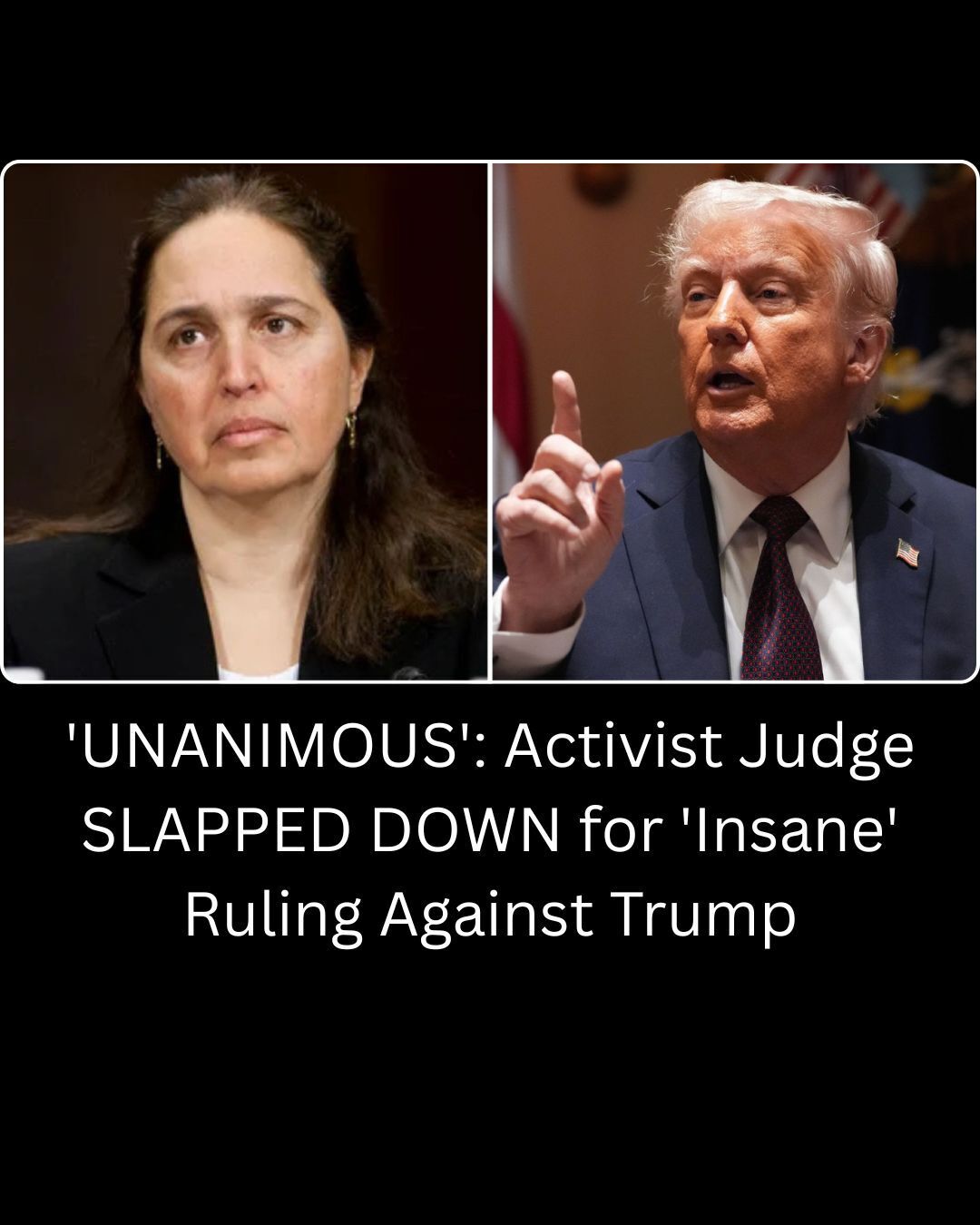
A three-judge panel on the 1st U.S. Circuit Court of Appeals issued an administrative stay on Monday, December 8, putting on hold U.S. District Judge Indira Talwani’s December 2 preliminary injunction.
That injunction had ordered the administration to continue funding Planned Parenthood affiliates in 23 states, despite Section 71113 of the One Big Beautiful Bill Act (OBBBA), signed by President Trump on July 4.
The contested section of the OBBBA prohibits federal Medicaid funds from going to any “prohibited entity” that both provides abortions and receives more than $800,000 in Medicaid reimbursements in 2023. The defunding provision lasts one year and was designed to ensure that taxpayer funds are not used, directly or indirectly, to subsidize abortion providers.
In July, 23 Democratic-led states, spearheaded by New York Attorney General Letitia James, sued the Trump administration to block enforcement of the defunding provision.
Judge Talwani sided with the states on December 2, ruling that Section 71113 “fails to provide states with clear notice” and is “impermissibly ambiguous” about which organizations are covered. She argued the law amounted to an “unconstitutional retroactive condition” on states’ participation in Medicaid.
The judge issued a seven-day stay of her own ruling, giving the administration time to appeal. Within days, the Trump administration filed an emergency motion with the 1st Circuit, warning that the lower court’s decision would “disrupt the implementation of a duly enacted Act of Congress.”
“Undaunted, the same district court has again enjoined enforcement of Section 71113, concluding this time that Congress had not made clear which entities were covered by the funding prohibition,” administration attorneys wrote in their filing. “Defendants respectfully request a stay pending appeal and an immediate extension of the administrative stay to prevent any interruption in the applicability of a duly enacted Act of Congress that this Court has already once acted to leave in effect.”
On December 8, the appeals court granted the administration’s request for an extension of the administrative stay, allowing the government to continue enforcing the defunding measure while the appeal is under review.
The panel, which included Chief Judge David Barron (an Obama appointee) and Judges Gustavo Gelpí and Lara Montecalvo (both Biden appointees), said it would rule “promptly” on the broader stay request.
The case marks the second time in two years that Judge Talwani has tried to block the Trump administration from cutting federal funding to Planned Parenthood.
Her earlier ruling in a separate lawsuit brought directly by Planned Parenthood was also stayed by the 1st Circuit, allowing the administration to proceed with its defunding policy at that time.
Planned Parenthood’s 2024 annual report underscores the high financial stakes involved. The organization reported over $2 billion in total revenue and a record 402,200 abortions performed that year—a 23 percent increase since 2013. During that same period, the group’s non-abortion health services have sharply declined, including a 61 percent drop in breast exams, 54 percent fewer pap tests, and 63 percent fewer prenatal services.
Critics argue those numbers show Planned Parenthood has become more focused on abortion revenue than on providing genuine health care. “Planned Parenthood’s more than 40 closures this year are a reflection not only of taxpayers finally having their voice heard, but also their failing business model that prioritizes abortion, politics and profits at the expense of women and children,” said Marjorie Dannenfelser, president of Susan B. Anthony Pro-Life America, in a statement reacting to Judge Talwani’s initial injunction.
“The One Big Beautiful Bill Act is federal law passed by Congress and signed by the president,” Dannenfelser added. “The Biden-era courts cannot continue to shield abortion profiteers from accountability.”
If upheld on appeal, the stay would allow the Trump administration to continue enforcing the OBBBA’s defund provision nationwide while the broader constitutional questions are litigated.
The case—James et al. v. U.S. Department of Health and Human Services—is expected to set a major precedent for whether Congress can restrict Medicaid funding for abortion providers under its spending power.